CHIEF OBSTACLE: UTOPIAN PARALYSIS
03 Aug 2026
To do good work, stop waiting for perfect conditions
1st August - Don`t Go Expecting Perfection
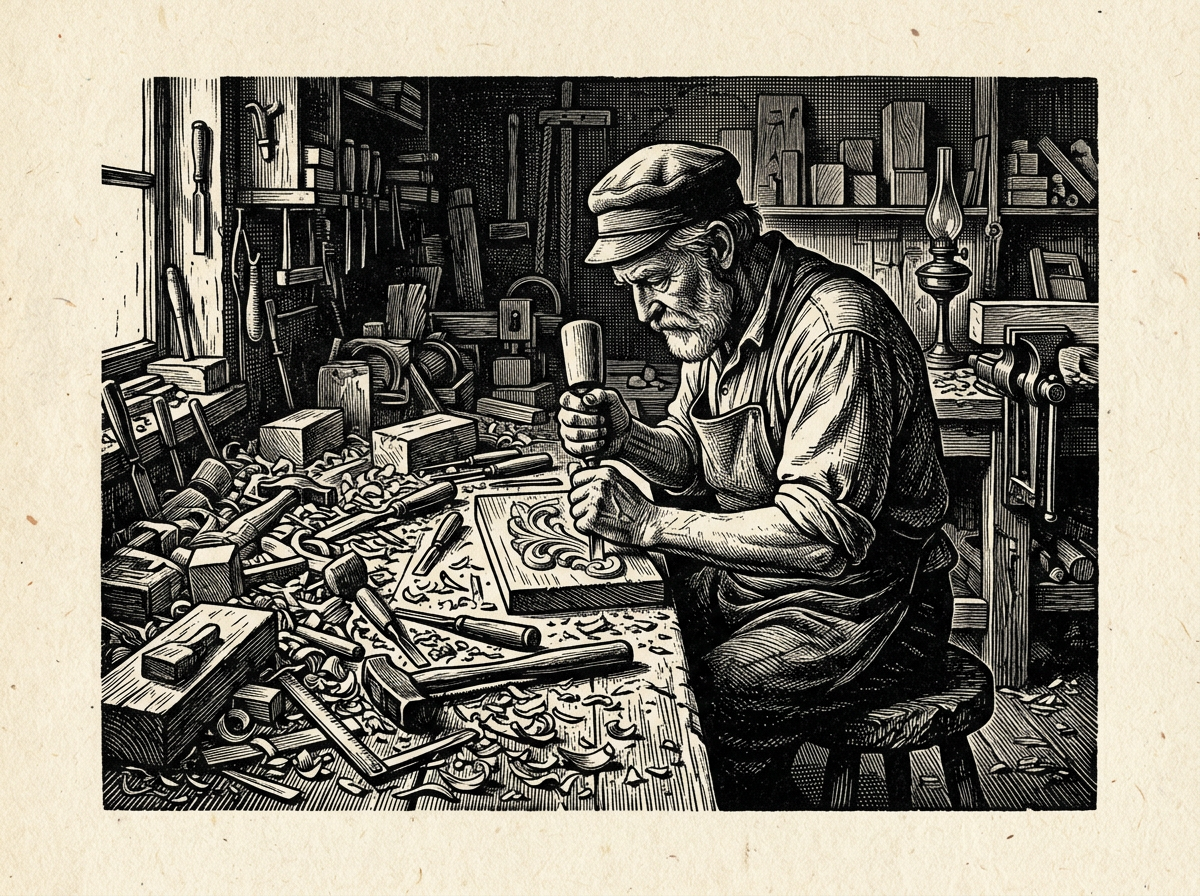
“That cucumber is bitter, so toss it out! There are thorns on the path, then keep away! Enough said. Why ponder the existence of nuisance? Such thinking would make you a laughing-stock to the true student of Nature, just as a carpenter or cobbler would laugh if you pointed out the sawdust and chips on the floors of their shops. Yet while those shopkeepers have dustbins for disposal, Nature has no need of them.”
MARCUS AURELIUS, MEDITATIONS, 8.50
The commentary:
We want things to go perfectly, so we tell ourselves that we’ll get started once the conditions are right, or once we have our bearings. When, really, it’d be better to focus on making do with how things actually are. Marcus reminded himself:
“Don’t await the perfection of Plato’s Republic”
He wasn’t expecting the world to be exactly the way he wanted it to be, but Marcus knew instinctively, as the Catholic philosopher Josef Pieper would later write, that
“he alone can do good who knows what things are like and what their situation is.”
Today, we won’t let our honest understanding of the world stop us from trying to make the best of it. Nor will we let petty annoyances and minor obstacles get in the way of the important job we have to do.
Chaff & Wheat Analyse:
The Meaning of the Passage
In Meditations 8.50, the Roman Emperor Marcus Aurelius is reminding himself not to get paralyzed, outraged, or shocked by the flaws and annoyances inherent to the world.
He uses two grounded analogies:
- The Bitter Cucumber & The Thorns — If a cucumber is bitter, don't write a philosophical essay about why bitter cucumbers exist, just throw it away. If there are thorns on the path, step around them. Deal with problems practical-first, without adding unnecessary emotional drama or philosophical brooding over why life contains nuisances.
- The Carpenter's Workshop — Just as you wouldn't walk into a carpenter's shop and cry, "Why is there sawdust everywhere?!" (since sawdust is the natural byproduct of cutting wood), you shouldn't be shocked when life contains friction, difficult people, or messy situations. Flaws, decay, and inconveniences are simply the natural "sawdust" of existence.
The modern commentary builds on this: waiting for the "perfect conditions" (what Marcus called awaiting "Plato's Republic", an idealized utopian state) is an excuse for inaction. Real virtue and effectiveness require accepting the world as it is, messy and imperfect, and doing good work anyway.
What is the Agreement (The Core Argument)?
Marcus Aurelius, the commentary, and philosopher Josef Pieper share a unified core argument:
- Accept the "sawdust" of life — Frustration, setbacks, bad weather, difficult personalities, and petty annoyances are not bugs in the system, they are features of a dynamic, material universe. Expecting them eliminates the outrage when they arrive.
- Perfectionism is a form of procrastination — Waiting for ideal conditions or a friction-free path before taking action guarantees you will never accomplish anything meaningful.
- Pragmatism precedes action — Effective, good action requires a realistic view of the world. As Josef Pieper noted, you cannot do good in a situation if you refuse to see what the situation actually is.
Is It True?
Yes, it is deeply true, both psychologically and practically.
- The Trap of Idealized Expectations
Psychology confirms that high expectations of how the world should behave are a primary source of chronic anger and distress. When you demand that reality bend to your preferences (e.g., "Traffic shouldn't exist today," or "My co-worker shouldn't be unreasonable"), you create avoidable suffering.
Recognizing that traffic is simply the "sawdust" of living in a city allows you to adapt calmly without losing your composure.
- Perfectionism vs. Progress
In psychology, this concept aligns with the difference between adaptive action and maladaptive perfectionism:
- Maladaptive perfectionism insists that conditions must be ideal before launching a project, changing a habit, or starting a business. It leads to paralysis, overthinking, and fear of failure.
- Pragmatic realism (Stoic action) embraces "good enough for now." It moves forward within messy, imperfect circumstances and solves problems dynamically as they appear.
- Nature's Recycler
Marcus makes a subtle scientific point at the end of the quote: "Nature has no need of dustbins.
“A carpenter needs a trash can for sawdust, but in nature, decay and waste are recycled back into new life. The very things we label as”
bad" or "nuisances" are part of a larger ecosystem. Adapting to this reality rather than fighting it is the hallmark of emotional maturity.
The Takeaway: Stop waiting for the stars to align or for life to stop throwing thorns in your path. Step around the thorns, toss out the bitter cucumber, ignore the sawdust, and do what needs to be done.
Chaff & Wheat Analysis
The Chaff: The article challenges the myth that good work requires perfect conditions, but overreaches when it treats waiting as mere procrastination and life's obstacles as harmless 'sawdust.' Some delays reflect necessary preparation, and some obstacles are hazards or injustices worth addressing.
The Wheat: A realistic view of imperfect conditions can help you begin useful work without first eliminating every annoyance. When essential safeguards and resources are in place, take a manageable next step; adapt around minor friction while addressing barriers that genuinely threaten the work or people's well-being.
Related dispatches
FALSE COMFORT: SANITIZED MORTALITY · A Critique of Modern Stoicism
Modern Stoicism sanitizes ancient dread into comfortable lifestyle poetry
24 Nov 2026
FATAL COMPROMISE: COMMODIFIED RESILIENCE · A Critique of Modern Stoicism
Epictetus did not teach resilience to protect your quiet morning routine
24 Nov 2026
MODERN STOICISM: TRIVIALIZED CATASTROPHE · A Critique of Modern Stoicism
Ancient Stoicism was forged for catastrophe, not broken kitchenware
22 Nov 2026
MODERN RESTRAINT: CURBED ENTITLEMENT · The Bend Index
Moderation is not puritanism: finding humility in an age of impulse
25 Nov 2026