CRITICAL BLINDSPOT: EMERGENCY INFRASTRUCTURE
24 Nov 2026
Survival in catastrophe demands routing to systems, not nearby emergency rooms
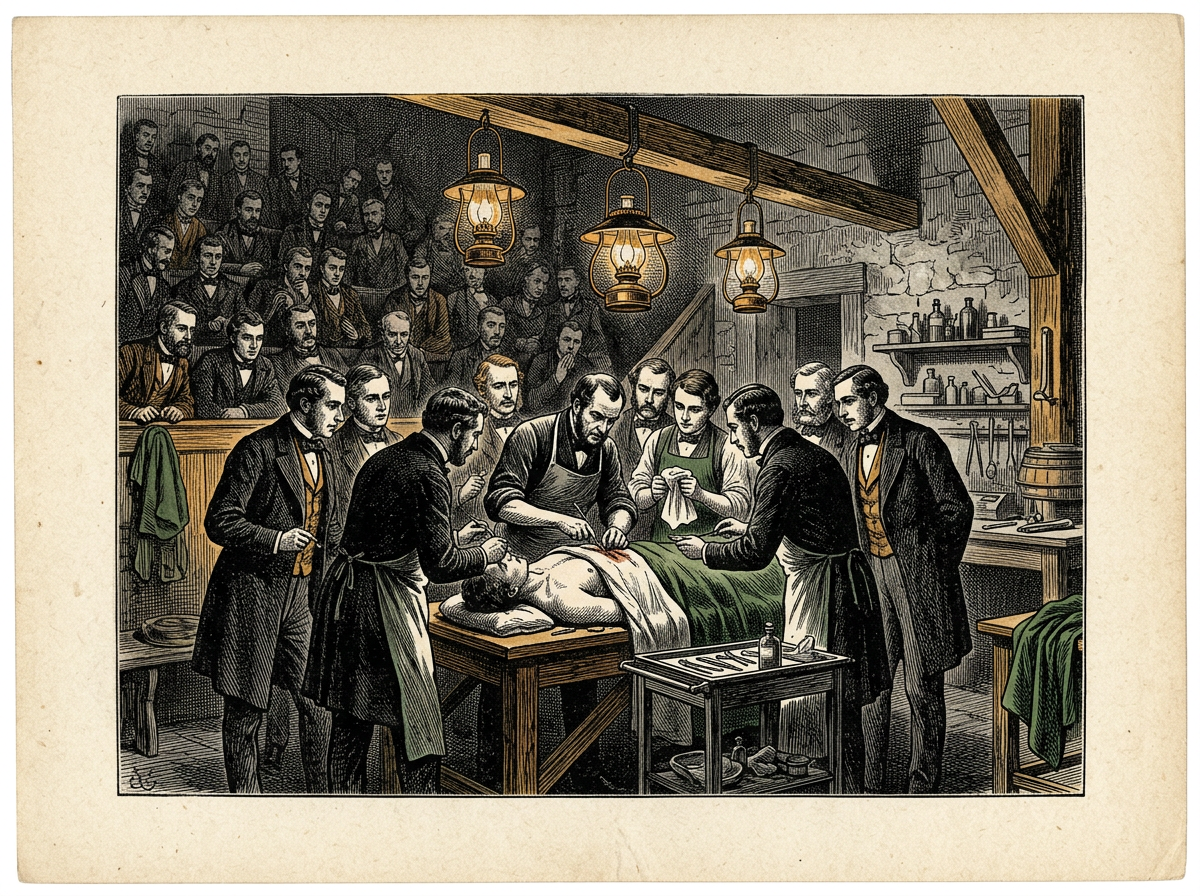
What Is Inside the Trauma Unit? Understanding Emergency Medical Care
Quick Summary: What You Need to Know
A trauma unit is a specialized, highly fortified hospital department operating 24/7 to treat patients suffering from catastrophic, life-threatening injuries such as high-speed car crashes, gunshot wounds, and major falls. Staffed by multidisciplinary teams of trauma surgeons, emergency physicians, and specialized nurses, these units are engineered to deliver immediate, life-saving interventions the second a patient arrives. Governed by rigorous American College of Surgeons (ACS) standards, a trauma unit functions as an orchestrated environment of advanced medical technology and rapid-response decision-making where every second dictates the line between life and death.
Background & Essential Facts
When an emergency strikes, the average emergency room (ER) handles everything from broken bones and severe flu symptoms to acute allergic reactions. However, a designated trauma unit—often housed within a larger emergency department—is specifically designed for physical injuries that require immediate surgical or intensive intervention.
The concept of modern trauma care stems from military medicine, where battlefield surgeons realized that the speed and specialization of treatment dramatically increased survival rates. Transferred to civilian life, this philosophy created a tiered system of regional trauma centers. Behind the swinging doors of a trauma bay, you will not find waiting rooms or relaxed pacing. Instead, you encounter a high-stakes ecosystem utilizing massive transfusion protocols, state-of-the-art diagnostic imaging, and dedicated operating rooms just steps away from the resuscitation bays.
The main players in this environment include:
- Trauma Surgeons: — Physicians with advanced fellowship training in surgical critical care who lead the resuscitation team.
- Emergency Physicians: — Doctors who stabilize patients upon arrival and manage immediate airway, breathing, and circulation issues.
- Trauma Nurses: — Highly specialized RNs trained in advanced life support who manage medications, monitor vitals, and coordinate rapid bedside procedures.
- Support Specialists: — Respiratory therapists, radiologists, pharmacists, and surgical technicians who form an interconnected grid of expertise.
Understanding how this environment operates removes the mystery from emergency medical care and highlights the incredible coordination required to save human lives under intense pressure.
How To Take Action / What To Do
While you cannot predict when a medical emergency will occur, you can prepare yourself and your family to navigate the trauma care system effectively. Here is how to take action based on official emergency operational standards:
STEP 01: Recognize Trauma Levels
Not all hospitals are equipped to handle every type of injury. Familiarizing yourself with the four designated levels of trauma centers can ensure you or a loved one gets to the right facility when seconds matter.
- Level I: — These are comprehensive regional resource facilities—usually major teaching hospitals—capable of providing total care for every aspect of injury, from prevention through rehabilitation. They maintain 24-hour in-house coverage by general surgeons and prompt availability of specialties like orthopedic surgery, neurosurgery, and plastic surgery.
- Level II: — These centers initiate definitive care for all injured patients. While they may not have the continuous research or residency programs of a Level I facility, they still provide 24-hour immediate coverage by general surgeons and key subspecialists.
- Level III: — These facilities provide prompt assessment, resuscitation, stabilization, and emergency operations, but typically transfer patients with severe, multi-system trauma to Level I or II centers.
- Level IV: — Often found in remote or rural areas, these clinics provide initial evaluation and stabilization before transferring patients to a higher-level facility.
Action: Look up the designated trauma centers in your local area today. Pinpoint which hospital near your home or workplace holds a Level I or Level II certification so you know where to direct emergency services if a worst-case scenario occurs.
STEP 02: Know the Triage Process
When a patient arrives at a trauma unit, medical staff do not operate on a first-come, first-served basis. Instead, they use a rapid, systematic triage process governed by standardized life-support protocols like Advanced Trauma Life Support (ATLS).
Medical professionals evaluate patients using the ABCDE framework:
- A – Airway: — Ensuring the patient’s airway is clear and unobstructed.
- B – Breathing: — Assessing chest movement, oxygen levels, and lung function.
- C – Circulation: — Checking pulses, blood pressure, and actively stopping internal or external bleeding.
- D – Disability: — Performing a rapid neurological check (evaluating consciousness and pupil response).
- E – Exposure/Environment: — Completely undressing the patient to search for hidden injuries while preventing hypothermia.
Action: Stay calm if you or a companion are ever brought into a trauma bay. Understand that a flurry of personnel swarming the patient is a sign of a well-oiled machine executing a precise protocol, not chaos. Answer clinicians' questions concisely and clearly if you are able to speak for the patient.
STEP 03: Prepare for Emergencies
Preparation is your best defense against the unexpected. If a severe accident happens, emergency medical personnel need vital health data instantly to make life-saving choices.
*Action:*
- Update Emergency Contacts: — Keep your smartphone's "Medical ID" or emergency contact feature enabled so first responders can reach your family.
- Carry Medical History: — Keep a card in your wallet—or an accessible note on your phone—listing current medications, severe allergies, chronic health conditions, and blood type.
- Map the Route: — Know the fastest, most direct driving routes to your closest designated trauma center, keeping in mind that calling 911 is almost always faster and safer than driving yourself during a life-threatening crisis, as ambulances carry trained paramedics who can begin life-support interventions en route.
Key Takeaways
- 24/7 Specialized Care: — Trauma units are dedicated hospital departments equipped with advanced technology and expert multidisciplinary teams designed exclusively to treat life-threatening injuries.
- Tiered System (Levels I–IV): — Knowing the capabilities of local trauma centers—especially Level I and II facilities—ensures severe injuries are routed to the most appropriate, comprehensive care providers immediately.
- Systematic Triage: — Trauma teams rely on strict, standardized protocols (like the ABCDE framework) to rapidly prioritize, diagnose, and stabilize incoming patients, bypassing traditional emergency room wait times.
Chaff & Wheat Analysis
The Chaff: The document confronts the comforting illusion that any nearby hospital emergency department can treat catastrophic physical trauma with equal efficacy. It dismantles the misconception that acute medical care operates on a first-come basis or yields to frantic personal advocacy rather than algorithmic clinical triage.
The Wheat: The lasting insight is that survival under extreme duress depends on specialized systems over good intentions, meaning an individual's only real leverage is exercised prior to impact through route planning and clear medical documentation.
Related dispatches
MODERN RESTRAINT: CURBED ENTITLEMENT · The Bend Index
Moderation is not puritanism: finding humility in an age of impulse
25 Nov 2026
TACTICAL OVERSIGHT: POWER DYNAMICS · The Bend Index
Setting boundaries requires the leverage to survive their enforcement
25 Nov 2026
FALSE METAPHOR: EFFORTLESS ATTRACTION · The Bend Index
True magnetism requires an external strike, not passive alignment
25 Nov 2026
LEISURE DRIFT: PRESCRIPTIVE CONSUMPTION · The Bend Index
When mindless entertainment is repackaged as an actionable life protocol
24 Nov 2026