FALSE ASSUMPTION: IMPERIAL PEDIGREE
23 Nov 2026
Stoic detachment was forged on the margins, not in imperial marble
Where Was Seneca Born? Birthplace and Early Life of the Roman Philosopher
Quick Summary: What You Need to Know
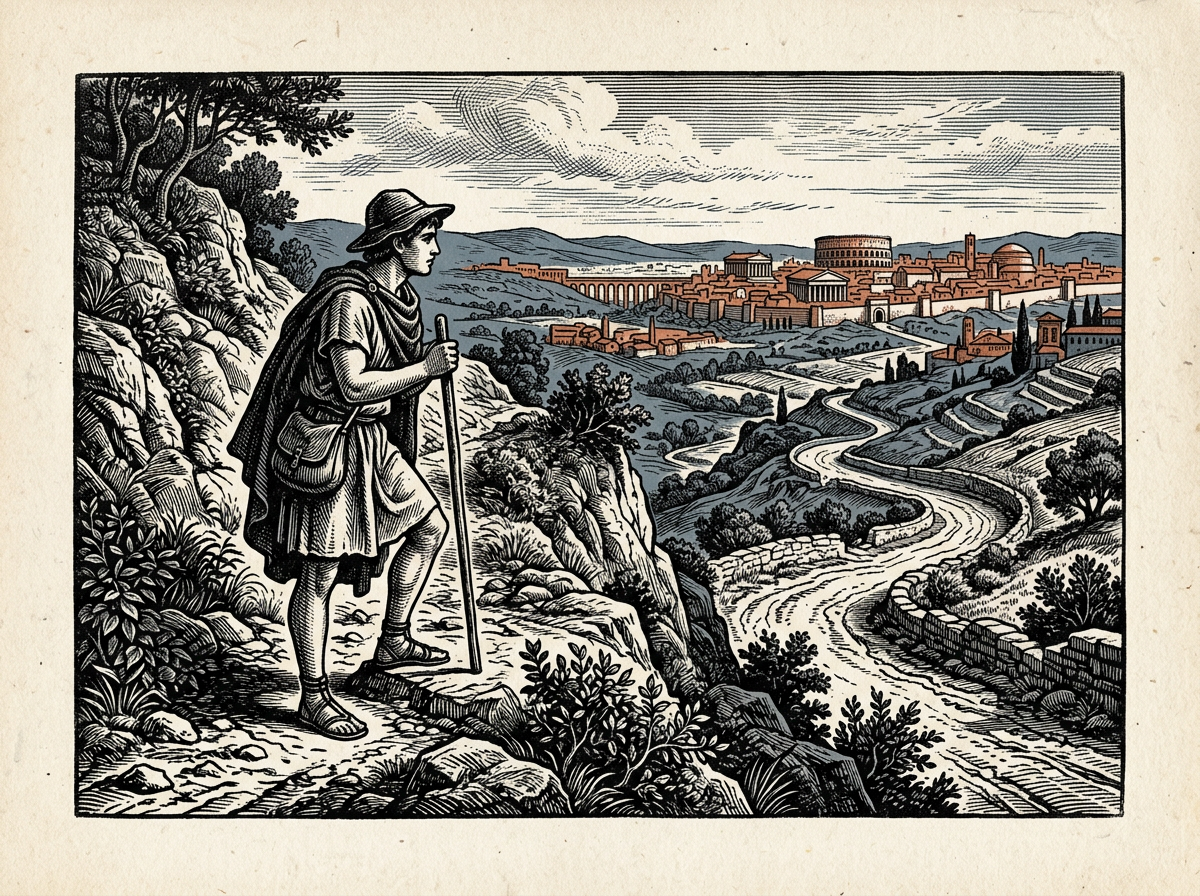
Lucius Annaeus Seneca—better known simply as Seneca the Younger—was born in Cordoba (Corduba), located in the Roman province of Hispania Baetica, around 4 BC. A towering figure of Stoic philosophy, a brilliant dramatist, and a prominent statesman, Seneca did not actually start his life in the heart of the Roman Empire. Instead, this master of Latin prose originated far from the capital, in what is now modern-day Spain, before moving to Rome as a young boy to launch his legendary education and political career.
Background & Essential Facts
When we think of ancient Rome, our minds naturally drift to the marble columns of the Roman Forum, the sprawling Colosseum, and the dramatic political maneuvering right on the banks of the Tiber River. Yet, some of Rome’s most influential cultural and intellectual giants came from the far-flung edges of the empire.
Seneca’s birth in Hispania Baetica challenges the modern assumption that elite Roman intellectuals were exclusively born and raised in Italy. The Roman world was vast, interconnected, and surprisingly mobile. Provincial families with wealth, ambition, and education could rise through the ranks to influence the highest levels of imperial power.
To truly understand Seneca's unique perspective on life, wealth, exile, and philosophy, we have to look past the streets of Rome and trace his roots back to the sun-drenched hills of southern Hispania.
How to Understand Seneca's Early Life and Origins
If you want to piece together the fascinating journey of this Roman philosopher from a provincial upbringing to the inner circle of imperial power, follow these three steps to trace his historical footsteps.
STEP 01: Research Ancient Hispania
Begin by exploring the historical and geographical significance of Corduba (modern-day Córdoba) during the 1st century BC.
Corduba was no mere frontier outpost; it was a vibrant, highly Romanized metropolis and the capital of the Roman province of Hispania Baetica. Founded by the Romans in the middle of the 2nd century BC, the city quickly grew into a bustling hub of commerce, culture, and education. It attracted wealthy landowners, traders, and intellectuals, bridging the gap between local Iberian traditions and Roman civic life.
By visualizing Corduba as a sophisticated urban center rather than a sleepy village, you can understand how a young intellect like Seneca could be nurtured in a rich cultural environment far away from Italy.
STEP 02: Trace Seneca's Family Background
Next, examine his father, Seneca the Elder (Marcus Annaeus Seneca), and the family's deep-rooted influence in Spain.
Seneca came from a wealthy provincial family belonging to the equestrian order—the affluent middle-to-upper class of Rome. His father was a renowned rhetorician and writer whose own upbringing in Hispania gave him a sharp, cosmopolitan worldview. The Annaeus family possessed substantial property, vineyards, and financial resources, which allowed them to participate in elite Roman circles while maintaining their provincial estates.
Look closely at this family dynamic: being part of the equestrian class meant the family had the wealth to fund expensive educations and travel to Rome, but they were still considered "outsiders" by some of the stuffy, old-money senatorial aristocracy in the capital. This outsider status may have given Seneca the sharp, objective eye that later defined his philosophical writings.
STEP 03: Follow His Journey to Rome
Finally, understand how Seneca transitioned from his birthplace in Hispania to becoming a central figure in Roman politics and Stoic philosophy.
As an infant or very young child, Seneca was brought to Rome by his aunt. This move changed the trajectory of his life forever. In Rome, he immersed himself in intensive studies, mastering rhetoric, grammar, and philosophy under the guidance of leading Stoic and Pythagorean teachers. Despite suffering from chronic health issues (particularly severe respiratory problems that nearly forced him to retire to Egypt in his youth), Seneca climbed the political ladder, became a celebrated orator, amassed a massive fortune, and eventually served as a tutor and advisor to the emperor Nero.
By tracing this physical and intellectual journey from Corduba to the imperial court, you see the classic Roman narrative of provincial ambition meeting imperial opportunity—with all the moral complexities and dangers that came with it.
Key Takeaways
- Provincial Origins: — Seneca the Younger was born around 4 BC in Corduba (Cordoba), Hispania Baetica, proving that major Roman intellectuals often came from the provinces.
- Influential Roots: — He belonged to a wealthy, ambitious equestrian family led by his father, Seneca the Elder, providing him with the financial backing needed for elite education.
- The Move to Rome: — Brought to the capital as a child, Seneca transformed his provincial upbringing into a powerful career as a statesman, playwright, and leading Stoic philosopher.
Chaff & Wheat Analysis
The Chaff: Popular imagination often assumes classical authority demanded a metropolitan pedigree, or conversely misreads Seneca's provincial birth as a tale of humble bootstrapping. In reality, his rise was propelled by substantial family capital, class privilege, and deliberate assimilation into the imperial core.
The Wheat: An outsider origin can yield a lucid, discerning perspective on power if one retains analytical distance from the circles one enters. True intellectual clarity comes from observing the center's ambitions without adopting its illusions.
Related dispatches
MODERN RESTRAINT: CURBED ENTITLEMENT · The Bend Index
Moderation is not puritanism: finding humility in an age of impulse
25 Nov 2026
TACTICAL OVERSIGHT: POWER DYNAMICS · The Bend Index
Setting boundaries requires the leverage to survive their enforcement
25 Nov 2026
FALSE METAPHOR: EFFORTLESS ATTRACTION · The Bend Index
True magnetism requires an external strike, not passive alignment
25 Nov 2026
LEISURE DRIFT: PRESCRIPTIVE CONSUMPTION · The Bend Index
When mindless entertainment is repackaged as an actionable life protocol
24 Nov 2026