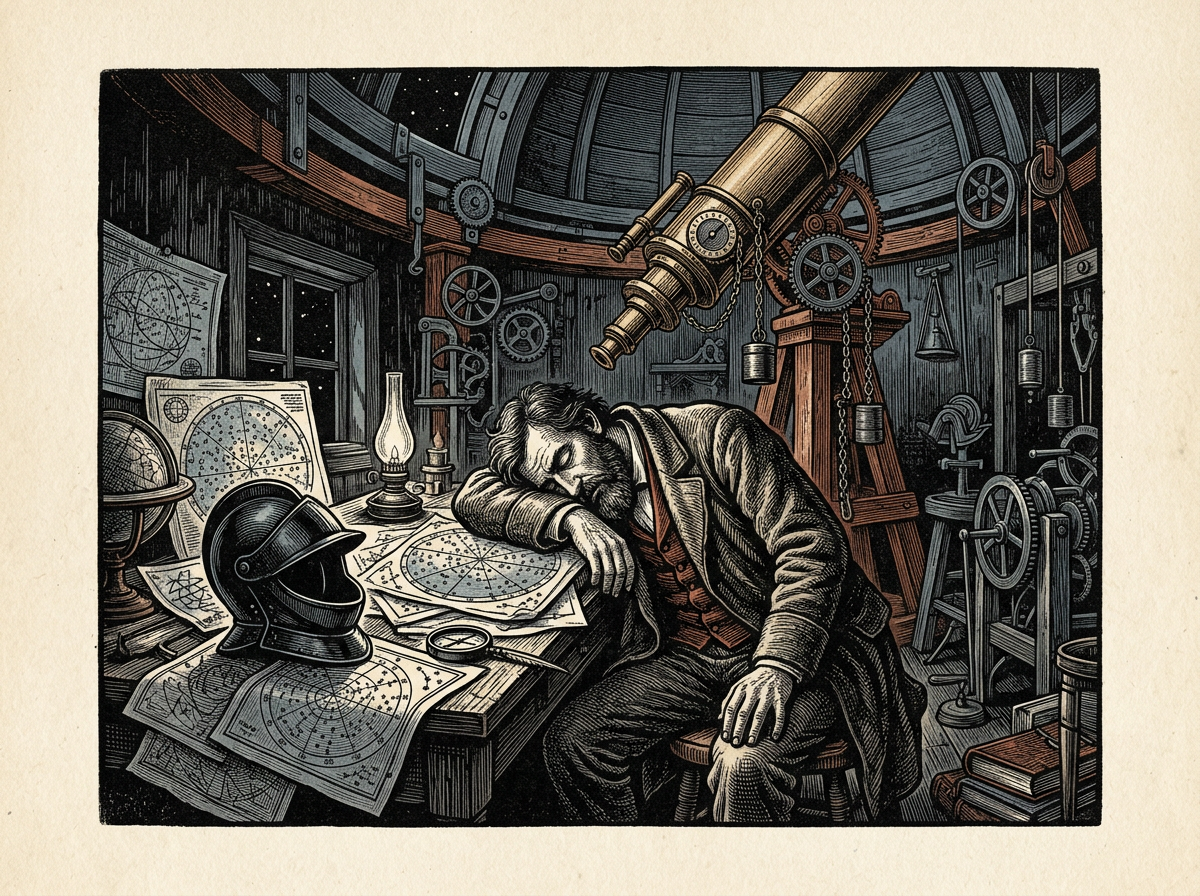
ARTISTIC ALLEGORY: EMOTIONAL EXHAUSTION
22 Nov 2026
Finding permission to rest within the architecture of sci-fi exhaustion
What Are the Lyrics and Meaning Behind Claudio Sanchez’s Burnout-Themed Songs?
Quick Summary: What You Need to Know
Claudio Sanchez is the mastermind, lead vocalist, and primary lyricist behind the progressive rock band Coheed and Cambria, known for channeling deep psychological distress and creative exhaustion into his expansive sci-fi conceptual narratives. When fans search for "claudio sanchez burnout lyrics," they are looking for specific verses where Sanchez drops the metaphorical sci-fi armor of "The Amory Wars" to articulate raw, relatable feelings of mental fatigue, creative dry spells, and emotional depletion. Through anthems like "Dark Side of Me" and tracks spanning the band's multi-decade discography, Sanchez provides a validating soundtrack for anyone pushing past their absolute limits.
Background & Essential Facts
For over twenty years, Coheed and Cambria has captivated millions of listeners by blending intricate sci-fi storytelling with gut-wrenching human emotion. At the center of this universe is Claudio Sanchez, a creator who has spent much of his adult life living under the microscope of the music industry, touring relentlessly, and writing complex concept albums under immense pressure.
While Sanchez’s lyrics are traditionally masked behind the sprawling sci-fi saga of The Amory Wars—a space opera featuring characters like Coheed, Cambria, and Claudio Kilgannon—the emotional core of the music is profoundly autobiographical. When Sanchez writes about characters crumbling under the weight of impossible expectations, betrayal, or endless cycles of fighting, he is frequently processing his own encounters with burnout.
Creative fatigue in the music industry is real and punishing. Between grueling tour schedules, the pressure to outdo previous records, and the constant demand for content, artists often hit a wall. Sanchez’s genius lies in his ability to translate this modern malaise into visceral poetry. Lines that speak of feeling hollowed out, running on empty, or losing one's identity to an overarching responsibility resonate deeply with listeners who might never have set foot on a tour bus, but certainly know what it feels like to burn the candle at both ends in a cubicle, a classroom, or daily life.
Fans don't just passively listen to these songs; they comb through official lyric sheets and liner notes to decode the vulnerability hidden beneath the soaring guitar solos and massive choruses. It is this intersection of grand sci-fi mythology and hyper-personal exhaustion that makes Sanchez's catalog a sanctuary for the overworked and overwhelmed.
How To Take Action / What To Do
If you find yourself connecting deeply with Claudio Sanchez’s themes of exhaustion and want to explore the music on a deeper level—or use it as a catalyst for your own mental recovery—follow these practical steps:
STEP 01: Locate Official Lyrics
Before diving into deep interpretations, make sure you are looking at the exact words written by Sanchez. Misheard lyrics can completely alter the emotional weight of a song. Visit verified music databases like Genius, or pull out the physical album liner notes from your Coheed and Cambria vinyl and CD collection. Reading the text cleanly on a page allows you to absorb the poetry of burnout—words dealing with isolation, heavy burdens, and the desire to simply stop—without the distraction of heavy instrumentation. Pay attention to recurring motifs of fading light, heavy machinery, and broken communication.
STEP 02: Analyze Thematic Context
Once you have the official text in front of you, put on a pair of good headphones, press play on tracks known for their introspective weight, and follow along with the lyrics. Listen for how Sanchez weaves personal mental fatigue into the larger concept of his albums. Notice how the musical arrangements often mirror the emotional state he is describing—verses might feel claustrophobic and tense, while choruses offer a massive, cathartic release. By understanding how Sanchez externalizes his internal pressure into art, you can begin to recognize how stress and burnout manifest in your own life and narrative.
STEP 03: Apply Lyrical Insight
Music is a powerful tool for emotional validation, but true recovery requires action. Use the catharsis found in Sanchez’s music as a permission slip to acknowledge your own limits. If lyrics about running on empty or crumbling under expectations resonate with you, treat it as a diagnostic mirror. Step away from your daily stressors, unplug from the relentless cycle of productivity, and take the necessary steps toward personal rest, setting boundaries, and seeking recovery. Let the music do the heavy lifting of expression so your mind can finally focus on healing.
Key Takeaways
- Autobiographical Vulnerability: — Claudio Sanchez uses the veil of sci-fi concept albums to process real-world creative burnout, mental exhaustion, and personal pressure.
- Verified Exploration: — Utilizing official lyric sheets and liner notes helps fans accurately connect with the poignant, exhausted truths hidden beneath the complex storytelling.
- Catalyst for Recovery: — The emotional release found in listening to these tracks can serve as a powerful wake-up call to recognize your own limits and prioritize rest.
Chaff & Wheat Analysis
The Chaff: The article challenges the idea that exhaustion is a test of commitment to push through, but risks replacing it with the notion that a cathartic song can diagnose burnout or establish its creator’s personal experience.
The Wheat: Sanchez’s sci-fi narratives can give listeners language for exhaustion without requiring a definitive autobiographical reading. That recognition is useful when it leads to feasible rest, boundaries, or support; music can accompany recovery, not substitute for changes to exhausting conditions.
Related dispatches
MODERN RESTRAINT: CURBED ENTITLEMENT · The Bend Index
Moderation is not puritanism: finding humility in an age of impulse
25 Nov 2026
TACTICAL OVERSIGHT: POWER DYNAMICS · The Bend Index
Setting boundaries requires the leverage to survive their enforcement
25 Nov 2026
FALSE METAPHOR: EFFORTLESS ATTRACTION · The Bend Index
True magnetism requires an external strike, not passive alignment
25 Nov 2026
LEISURE DRIFT: PRESCRIPTIVE CONSUMPTION · The Bend Index
When mindless entertainment is repackaged as an actionable life protocol
24 Nov 2026