CULTURAL VIRTUE: ACTIVE HUMILITY
21 Nov 2026
True humility is an exertion of strength, not a posture of submission
What Is the Meaning of Humility in Punjabi?
Quick Summary: What You Need to Know
In Punjabi, the meaning of humility is primarily captured by two profound words: "ਨਿਮਰਤਾ" (Nimrata) and "ਹਲੀਮੀ" (Haleemi). These terms represent far more than just a polite attitude; they describe a core virtue rooted in modesty, sweetness of speech, and the complete absence of ego. Whether you are exploring Punjabi linguistics, cultural etiquette, or spiritual philosophy, understanding these words unlocks the heart of Punjabi heritage.
Background & Essential Facts
Language is a window into culture, and the Punjabi language is particularly rich in vocabulary dedicated to character and human virtue. When translators, linguists, and everyday speakers look for the exact equivalent of "humility," they almost always land on Nimrata and Haleemi.
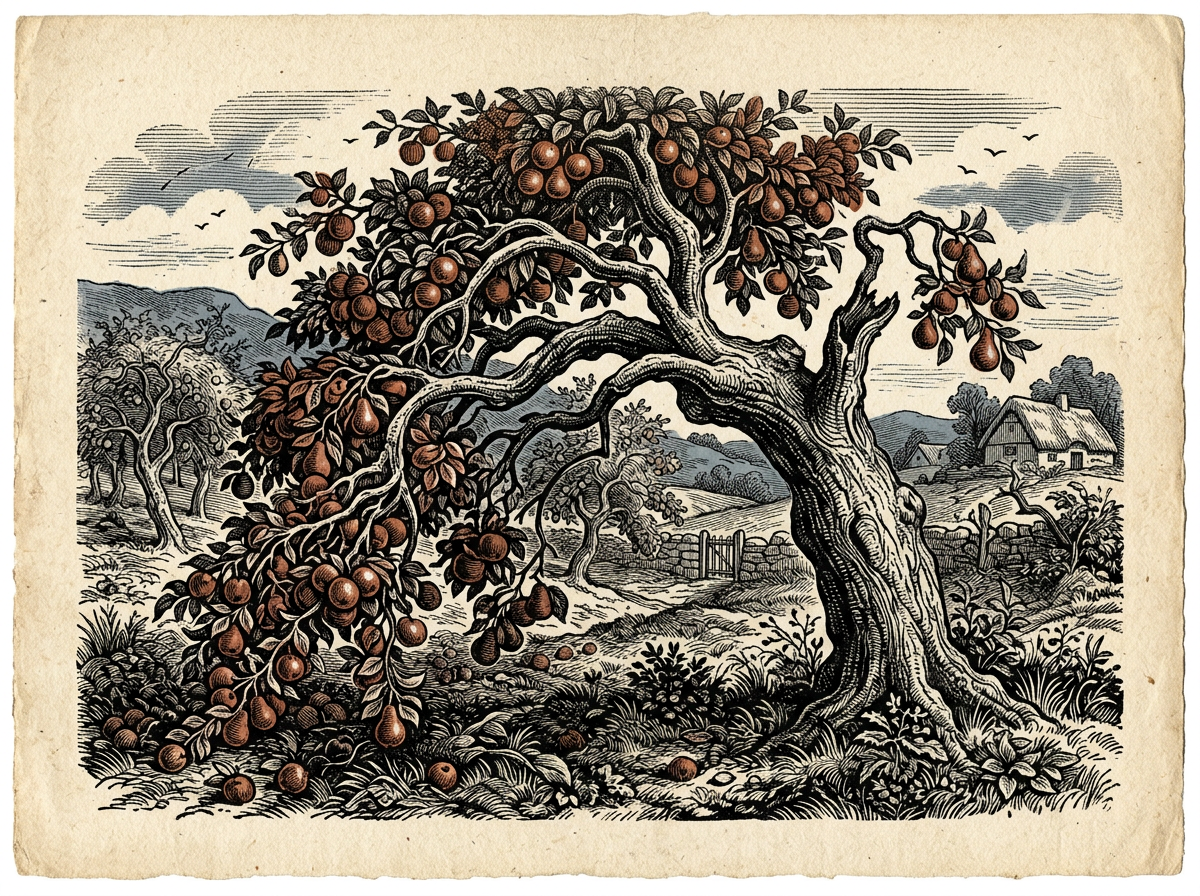
To truly understand these words, we have to look at where they derive their deepest cultural weight: Gurbani (Sikh scripture) and traditional Punjabi folklore. In the Sikh tradition, humility is not viewed as a sign of weakness or low self-esteem. Instead, it is celebrated as the ultimate strength. A famous Punjabi proverb teaches that the fruit-laden tree bends lower to the ground, symbolizing that true wisdom and greatness are always accompanied by humility.
Historically, Punjabi society has placed a massive emphasis on Satkaar (respect) and Seva (selfless service). You cannot have true Seva without Nimrata. When someone embodies Haleemi, they speak softly, treat everyone with equal dignity regardless of their social status, and consciously strip away their own vanity. It is an active, living state of grace that shapes how families interact, how elders are treated, and how guests are welcomed into a Punjabi home.
How To Take Action / What To Do
If you want to integrate this beautiful concept into your vocabulary and your daily life, here is how you can do it in three practical steps.
STEP 01: Learn the Core Vocabulary
Your first step is to familiarize yourself with the foundational Punjabi words for humility. While English uses a single word to describe modesty, Punjabi offers nuanced shades of meaning:
- Nimrata (ਨਿਮਰਤਾ): — The most common translation for politeness, modesty, and a gentle demeanor. It is the opposite of arrogance.
- Haleemi (ਹਲੀਮੀ): — A deeper, more spiritual term often associated with sweetness, deep-rooted calmness, and total surrender of the ego.
- Garibi (ਗਰੀਬੀ): — While Garibi literally translates to poverty in modern economic contexts, in classical Punjabi and Gurbani poetry, it frequently denotes "spiritual humility"—the state of keeping oneself small and unassuming before the divine and humanity.
STEP 02: Understand Pronunciation and Script
To use these words authentically, you need to recognize them in the Gurmukhi script and master their pronunciation.
- Nimrata (ਨਿਮਰਤਾ): — Pronounced nim-ruh-tah. The emphasis is placed on the first syllable, with a soft 't' sound at the end. Try writing it out in Gurmukhi: ਨ (n) + ि (i) + ਮ (m) + ਰ (r) + ਤ (t) + ਆ (a).
- Haleemi (ਹਲੀਮੀ): — Pronounced huh-lee-mee, carrying a melodic, flowing rhythm. In Gurmukhi, it is written as ਹ (h) + ਲ (l) + ੀ (ee) + ਮ (m) + ੀ (ee).
Practice saying these words aloud in context. For example, you might say, "Uss vich bohot nimrata hai" (He/She has a lot of humility). Connecting the spoken sound to the Gurmukhi characters bridges the gap between mechanical learning and cultural appreciation.
STEP 03: Apply the Concept in Daily Life
Words are powerful, but humility is fundamentally a practice of action. To embody Nimrata and Haleemi in your everyday routine, try these behavioral shifts:
- Practice Sweetness of Speech (*Mithi Boli*): — Punjabi culture prizes a sweet tongue. Consciously lower your voice during disagreements and choose words that build people up rather than tear them down.
- Engage in *Seva* (Selfless Service): — Find ways to help others without expecting recognition, praise, or a reward. Whether it is helping a neighbor carry groceries or volunteering at a community kitchen (langar), action without ego is the purest form of Nimrata.
- Listen More, Speak Less: — True humility involves valuing other people's perspectives. Make a habit of listening actively in conversations before offering your own opinion.
Key Takeaways
- Core Translation: — Humility in Punjabi is primarily translated as "ਨਿਮਰਤਾ" (Nimrata) for modesty and politeness, and "ਹਲੀਮੀ" (Haleemi) for deep spiritual sweetness and the absence of ego.
- Cultural Roots: — These concepts are heavily anchored in Punjabi heritage and Gurbani, where humility is viewed as a supreme strength rather than a weakness.
- Actionable Living: — You can practice these virtues daily by speaking softly, engaging in ego-free service (Seva), and mastering the Gurmukhi pronunciation of Nimrata and Haleemi.
Chaff & Wheat Analysis
The Chaff: The article challenges the myth that humility means weakness, submission, or low self-worth. Yet its language of complete egolessness risks replacing that myth with another: that being humble requires erasing your own needs or always speaking softly.
The Wheat: The article’s account of Nimrata, Haleemi, and Seva offers a durable practice: listen seriously, treat people with equal dignity, and help without making recognition the goal. These acts express strength when freely chosen and paired with self-respect, boundaries, and the willingness to speak firmly against harm.
Related dispatches
MODERN RESTRAINT: CURBED ENTITLEMENT · The Bend Index
Moderation is not puritanism: finding humility in an age of impulse
25 Nov 2026
TACTICAL OVERSIGHT: POWER DYNAMICS · The Bend Index
Setting boundaries requires the leverage to survive their enforcement
25 Nov 2026
FALSE METAPHOR: EFFORTLESS ATTRACTION · The Bend Index
True magnetism requires an external strike, not passive alignment
25 Nov 2026
LEISURE DRIFT: PRESCRIPTIVE CONSUMPTION · The Bend Index
When mindless entertainment is repackaged as an actionable life protocol
24 Nov 2026