RELATIONAL HEALTH: PERSONAL LIMITS
17 Nov 2026
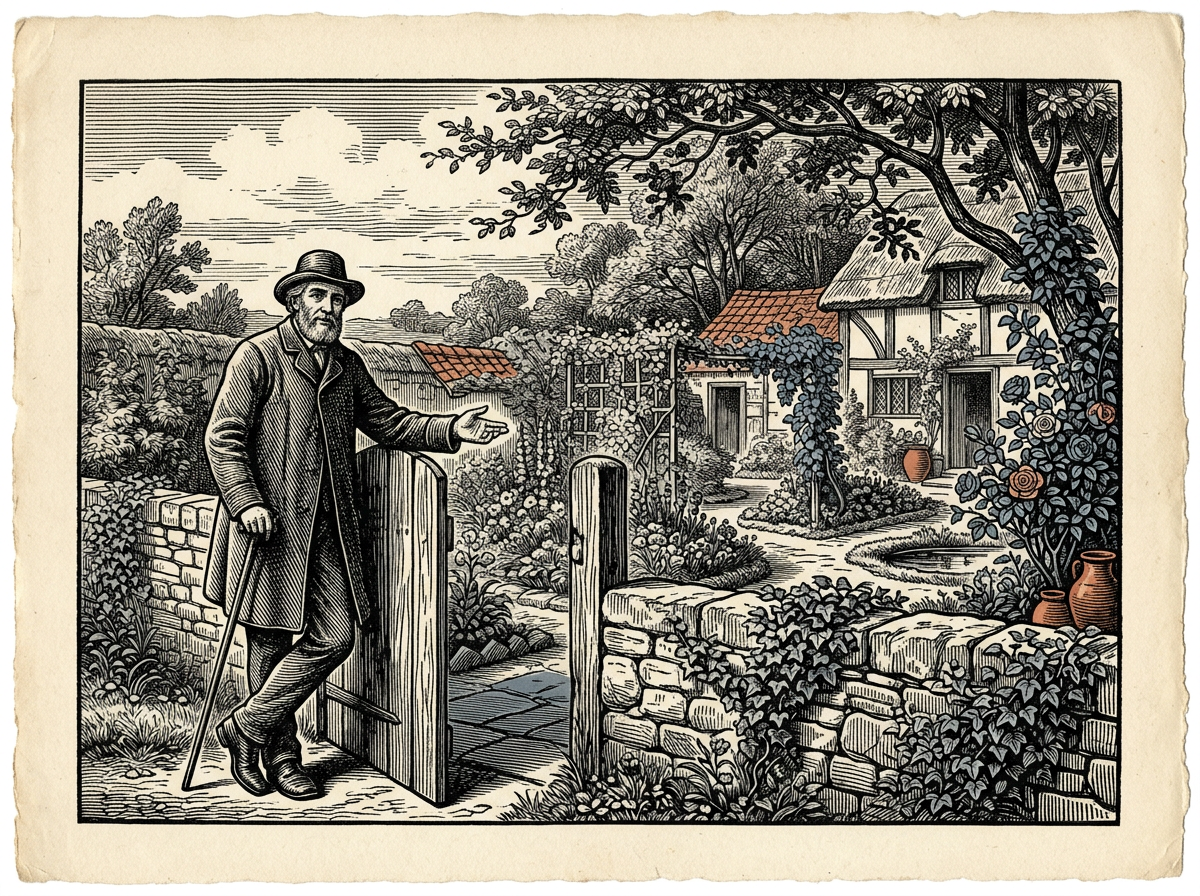
Boundaries are not fortress walls, but necessary gates for connection.
What is No Boundaries and How to Understand Personal Limits
Quick Summary: What You Need to Know
"No boundaries" refers to a psychological and emotional state where an individual lacks defined physical, emotional, or mental limits in their relationships with others. Operating without boundaries frequently leads to severe burnout, emotional exhaustion, and a dysfunctional dynamic known as enmeshment, where personal identity becomes entirely merged with the needs and desires of people around you. Establishing healthy, conscious boundaries is an absolute necessity for protecting your mental well-being, preserving your energy, and fostering genuinely respectful, balanced connections.
-
Background & Essential Facts
Human beings are inherently social creatures, wired for connection, empathy, and community. However, without a framework to separate our own needs from the demands of others, that natural empathy can quickly morph into self-destruction.
Historically, the concept of personal boundaries emerged primarily from family systems therapy and interpersonal psychology in the mid-to-late 20th century. Pioneers in psychology recognized that healthy relationships require distinct psychological borders. When these borders are absent, in a state we call having "no boundaries", individuals often struggle to say no, absorb the emotional moods of everyone in the room, and tolerate unacceptable behaviors just to keep the peace.
In modern lifestyle branding and wellness spaces, the conversation around boundaries has exploded. We now recognize that a lack of boundaries isn't just an interpersonal issue; it is a primary driver of modern burnout. Whether in the workplace, where checking emails at midnight has become the norm—or in romantic and familial relationships where personal space is constantly invaded, living with no boundaries treats your time, energy, and emotions as public property.
Understanding personal limits is not about building walls to shut people out. Rather, it is about building a secure gate that allows you to choose who and what has access to your inner world.
How To Take Action / What To Do
If you suspect you have been living life with no boundaries, the good news is that boundaries are skills, not fixed personality traits. You can learn to set, communicate, and protect them starting today.
STEP 01: Identify Personal Triggers
The first step toward reclaiming your limits is paying close attention to your internal dashboard. Notice where you feel consistently drained, resentful, or invaded in your daily interactions. Resentment is actually your emotional alarm system; it flashes whenever someone has crossed a line you didn't know you had.
Start tracking your emotional energy over the course of a week. When do you feel a knot in your stomach? When do you agree to something out of guilt rather than genuine desire? Pay attention to the physical sensations of stress, fatigue, and frustration. These are direct messages from your psyche telling you that a boundary has been ignored or violated. By identifying these triggers, you pinpoint the exact areas of your life that require immediate boundary setting.
STEP 02: Communicate Clear Limits
Once you know where your limits lie, you have to articulate them. Many people with no boundaries expect others to read their minds, growing silently furious when friends, family, or coworkers cross lines that were never spoken aloud.
Use direct, polite, and unambiguous language to state what behaviors you will and will not accept. Ditch the over-apologetic filler words. Instead of saying, "I'm so sorry, but I really don't think I can maybe do this, if that's okay," try a clear and grounded approach: "I am unable to take on any additional projects this week," or "I need some quiet time to decompress after work, so I won't be answering non-urgent texts until tomorrow." Clear is kind. When you state your limits plainly, you remove the guesswork for everyone involved.
STEP 03: Enforce Consistent Consequences
Setting a boundary is only half the battle; the real test lies in the enforcement. When someone crosses a stated limit and someone inevitably will, especially if they are used to you having no boundaries you must follow through with your stated consequences to reinforce your personal standards.
If you told a friend that you will leave the conversation if they start yelling, and they raise their voice anyway, you must calmly follow through and exit the interaction. Consistency is the language that teaches others how to treat you. If you state a boundary but repeatedly back down when pushed, you signal that your limits are flexible suggestions rather than non-negotiable standards. Stand your ground with compassion and firmness.
Key Takeaways
- Define the Problem: — "No boundaries" means living without emotional, physical, or psychological limits, which inevitably leads to chronic burnout, resentment, and enmeshment.
- Listen to Your Resentment: — Use your emotional triggers and feelings of exhaustion as reliable alarm bells to identify where your personal limits are currently being violated.
- Communicate and Enforce: — Protect your well-being by using direct, polite language to state your limits, and consistently follow through with consequences if those boundaries are crossed.
Chaff & Wheat Analysis
The Chaff: The article challenges the myth that caring for others requires unlimited availability, or that setting limits means shutting people out. But it overstates its case when it treats resentment as proof of a boundary violation and burnout as the inevitable result of weak limits, overlooking workload, unequal power, and other causes.
The Wheat: Boundaries can support connection when they clarify what you can offer and what you will do—not dictate how others must behave. Treat discomfort as a cue to investigate, communicate specific limits, and choose proportionate follow-through that accounts for safety, obligations, and room for negotiation.
Related dispatches
MODERN RESTRAINT: CURBED ENTITLEMENT · The Bend Index
Moderation is not puritanism: finding humility in an age of impulse
25 Nov 2026
TACTICAL OVERSIGHT: POWER DYNAMICS · The Bend Index
Setting boundaries requires the leverage to survive their enforcement
25 Nov 2026
FALSE METAPHOR: EFFORTLESS ATTRACTION · The Bend Index
True magnetism requires an external strike, not passive alignment
25 Nov 2026
LEISURE DRIFT: PRESCRIPTIVE CONSUMPTION · The Bend Index
When mindless entertainment is repackaged as an actionable life protocol
24 Nov 2026