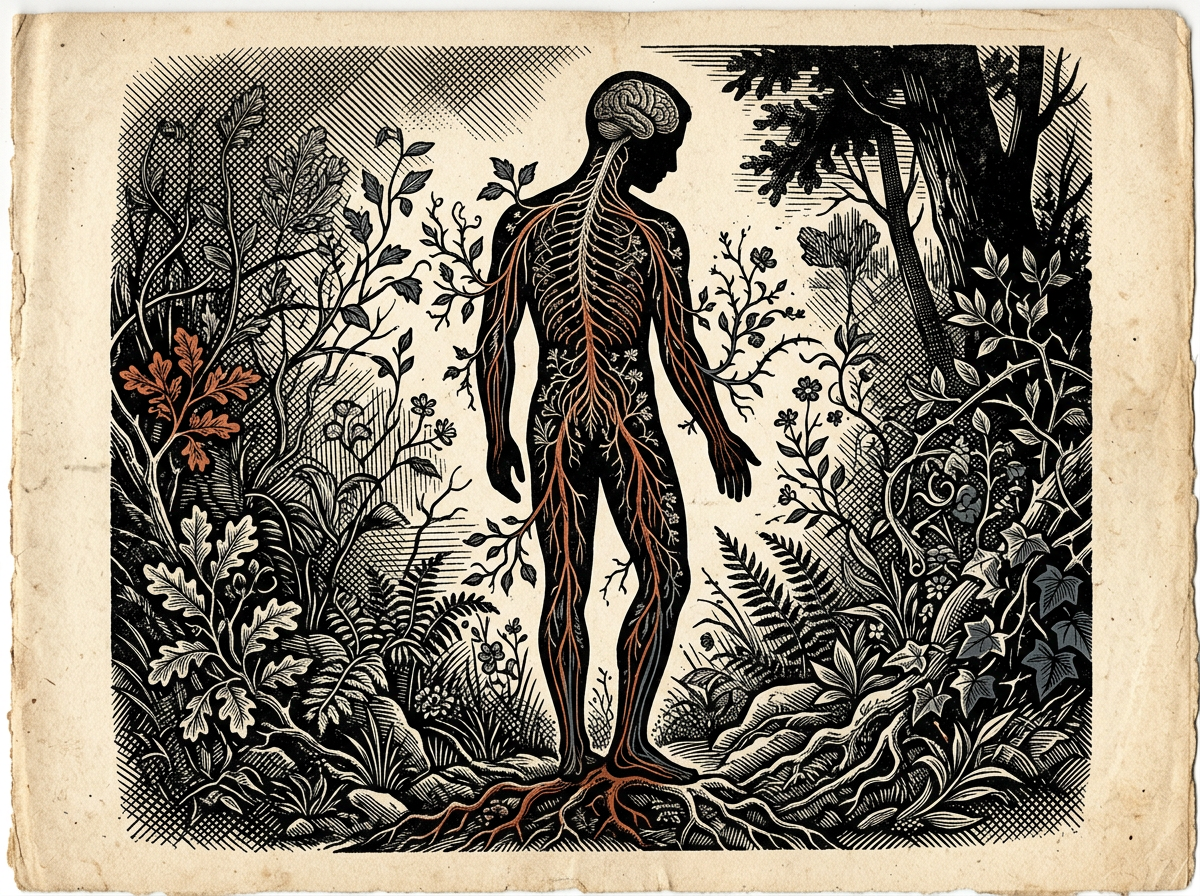
PARADIGM SHIFT: SOMATIC HEALING
16 Nov 2026
When trauma care moved from the intellect into the body
What is Trauma 2017 and How Did The Year Shape Modern Psychological Research?
Quick Summary: What You Need to Know
Trauma 2017 refers to a watershed year in psychological research, global public health, and clinical psychiatry that fundamentally transformed how we diagnose and treat Post-Traumatic Stress Disorder (PTSD) and complex trauma. Marking a massive turning point in the mid-2010s, 2017 brought a surge of peer-reviewed clinical studies, updated international trauma-informed care frameworks, and a cultural shift in how medical communities approach psychological distress. During this period, researchers moved away from viewing trauma purely as an isolated event, instead recognizing its systemic, long-term impact on the human brain and body.
Background & Essential Facts
To understand why trauma 2017 remains a crucial benchmark in modern psychology, we have to look at the landscape of mental healthcare leading up to that year. For decades, the psychological community viewed PTSD primarily through the lens of combat veterans and survivors of acute, catastrophic events like natural disasters. However, by the mid-2010s, clinicians and researchers faced a growing mountain of data indicating that trauma was far more pervasive, hidden, and complex than previous diagnostic manuals suggested.
In 2017, this pressure reached a critical mass. Major psychological associations, global health organizations, and clinical researchers published groundbreaking studies that challenged traditional treatment models. This was the year that somatic therapies—treatments addressing how trauma is physically stored in the body—gained mainstream clinical validation. Landmark books like Bessel van der Kolk’s The Body Keeps the Score (which gained massive cultural traction around this era) and subsequent clinical trials paved the way for a deeper integration of body-based therapies alongside traditional cognitive behavioral therapy (CBT).
Furthermore, 2017 catalyzed a massive shift toward "trauma-informed care" across non-traditional sectors, including education, social work, and the judicial system. Institutions began asking not just "What is wrong with this person?" but rather "What happened to this person?" This paradigm shift removed the stigma of psychological distress and positioned resilience as a measurable, cultivable human trait rather than an innate personality quirk.
How To Take Action / What To Do
If you want to understand the evolution of trauma care, apply modern psychological frameworks to your own life, or navigate healing using the insights gained from this era, follow these actionable steps:
STEP 01: Research Historical Context
Review the major psychological publications, clinical guidelines, and shifts in public health policy that emerged around 2017.
- Look for milestones: — Examine how major mental health organizations updated their treatment guidelines for PTSD and anxiety disorders during this period.
- Understand the baseline: — Recognize that pre-2017 treatment often relied heavily on simply talking through a traumatic memory. The post-2017 landscape introduced the necessity of regulating the nervous system first, before processing deep psychological wounds.
- Educate yourself: — Read foundational literature from this era that bridges clinical research and everyday application to see how our understanding of the brain's neuroplasticity expanded.
STEP 02: Identify Modern Shifts
Compare the diagnostic and therapeutic standards of 2017 with current psychological approaches to track how far trauma care has evolved.
- Observe the mind-body connection: — Notice how modern therapies—such as EMDR (Eye Movement Desensitization and Reprocessing), somatic experiencing, and mindfulness-based stress reduction—grew out of the research validated during this period.
- Shift your perspective: — Move away from self-blame. The consensus solidified in 2017 dictates that trauma responses (fight, flight, freeze, or fawn) are normal, biological survival mechanisms, not personal weaknesses.
- Audit your care: — If you or someone you know is seeking therapy, look for practitioners who explicitly practice "trauma-informed care"—meaning they prioritize physical and emotional safety, transparency, and patient empowerment.
STEP 03: Build Personal Resilience Frameworks
Translate the systemic resilience models developed in 2017 into daily habits for mental wellness and emotional recovery.
- Prioritize nervous system regulation: — Incorporate daily practices—such as breathwork, grounding exercises, or gentle physical movement—that signal safety to the brainstem and nervous system.
- Foster social connection: — Modern trauma research underscores that isolation exacerbates PTSD symptoms, while safe, empathetic community acts as a primary buffer against chronic stress.
- Pace your healing: — Accept that processing deep psychological stress is non-linear. Use the structured, compassionate pacing championed by post-2017 clinical guidelines to avoid re-traumatization during self-reflection or therapy.
Key Takeaways
- A Defining Turning Point: — Trauma 2017 marked a major evolution in psychological research, expanding the definition of PTSD and complex trauma beyond acute events into systemic, body-wide experiences.
- The Mind-Body Revolution: — The era solidified the necessity of somatic and nervous-system-regulating therapies, shifting treatment away from talk therapy alone.
- Empathy Over Pathologizing: — The widespread adoption of trauma-informed care changed institutional questions from "What is wrong with you?" to "What happened to you?", drastically reducing mental health stigma.
Chaff & Wheat Analysis
The Chaff: The article replaces the myth that trauma is merely a thinking problem with an overstated origin story: that 2017 decisively validated body-based therapies and made nervous-system regulation a prerequisite for recovery. Trauma care evolved over decades; trauma is not literally stored in tissues, and evidence varies across treatments.
The Wheat: Trauma can affect both psychological and bodily functioning, so compassionate care should attend to safety, symptoms, choice, and individual needs. Grounding, gentle movement, and supportive relationships may help when tolerable, but they complement rather than automatically replace evidence-based PTSD treatments such as trauma-focused CBT and EMDR.
Related dispatches
MODERN RESTRAINT: CURBED ENTITLEMENT · The Bend Index
Moderation is not puritanism: finding humility in an age of impulse
25 Nov 2026
TACTICAL OVERSIGHT: POWER DYNAMICS · The Bend Index
Setting boundaries requires the leverage to survive their enforcement
25 Nov 2026
FALSE METAPHOR: EFFORTLESS ATTRACTION · The Bend Index
True magnetism requires an external strike, not passive alignment
25 Nov 2026
LEISURE DRIFT: PRESCRIPTIVE CONSUMPTION · The Bend Index
When mindless entertainment is repackaged as an actionable life protocol
24 Nov 2026