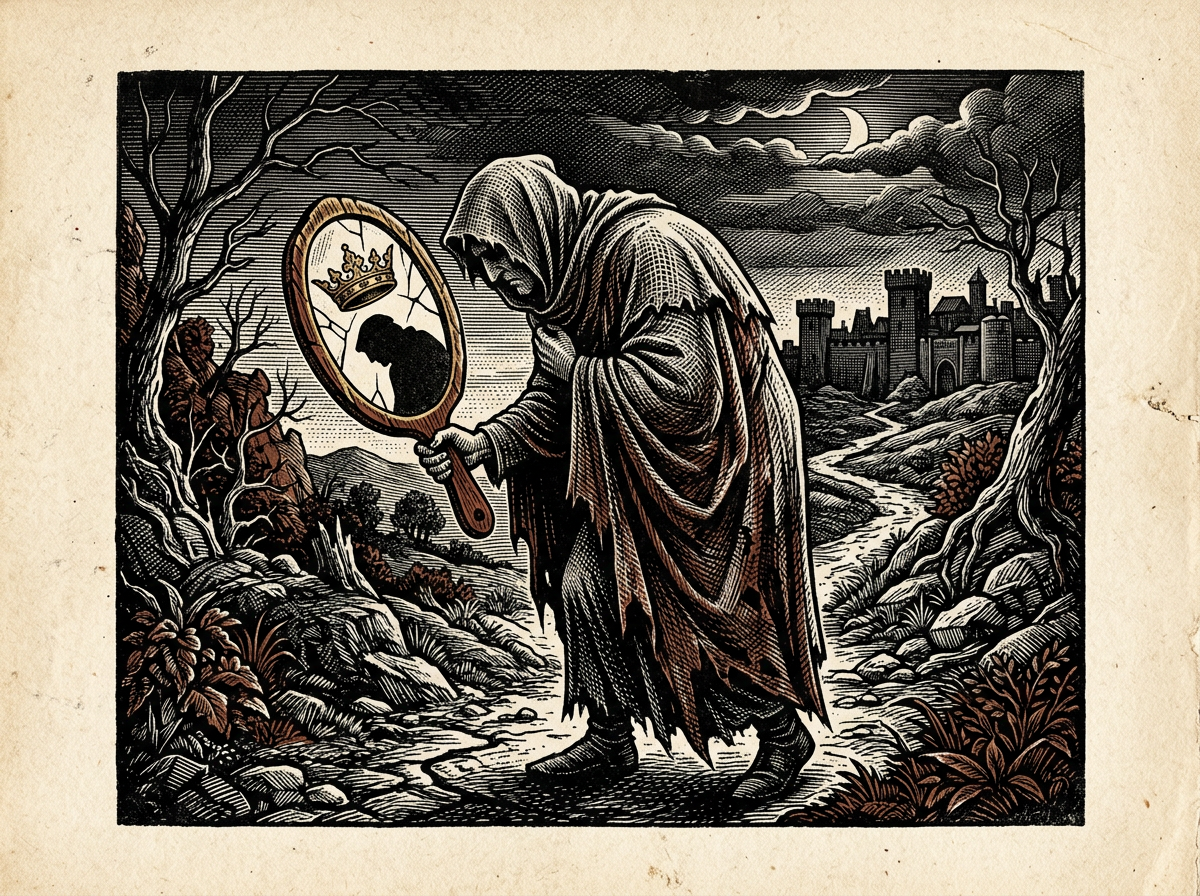
HIDDEN MALADY: VICTIM MENTALITY
15 Nov 2026
When fragile victimhood masks a deep claim of hidden superiority
What Is Vulnerable Narcissism and How Does It Manifest?
Quick Summary: What You Need to Know
Vulnerable narcissism is a psychological personality trait characterized by profound emotional hypersensitivity, chronic defensiveness, and a fragile self-esteem masked by outward insecurity and quiet resentment. Unlike the loud, attention-seeking traits of grandiose narcissism, individuals with vulnerable narcissism often project a sense of victimization while secretly harboring deep-seated fantasies of superiority and entitlement. Rooted in psychological research and clinical literature, this lesser-known subtype of narcissism affects interpersonal relationships deeply, blending a desperate need for validation with an intense fear of rejection.
Background & Essential Facts
When most people hear the word "narcissism," they picture the classic archetype: the loud, arrogant extrovert who dominates every conversation, demands constant applause, and seems entirely immune to self-doubt. This is known in psychology as grandiose narcissism.
However, clinical psychology recognizes a completely different—and often more confusing—presentation of the exact same core personality structure: vulnerable narcissism (sometimes referred to in literature as covert or closet narcissism).
To understand vulnerable narcissism, it helps to look behind the curtain of human psychology. At its core, narcissism—regardless of the subtype—stems from a fragile, unstable sense of self. While grandiose narcissists build an impenetrable fortress of false superiority to keep their underlying insecurities at bay, vulnerable narcissists do the opposite. They lean heavily into their perceived inadequacy, suffering, and victimhood.
According to psychological research and diagnostic frameworks, individuals with high levels of vulnerable narcissism experience a painful contradiction: they feel deeply that they are superior, misunderstood, and uniquely special, yet they simultaneously believe the world is treating them unfairly by failing to recognize it.
Key markers of this personality dynamic include:
- Hypersensitivity to Evaluation: — Even constructive feedback or casual jokes are interpreted as harsh, personal attacks.
- The Martyr Complex: — They frequently view themselves as victims of circumstance, bad luck, or other people's malice, using their suffering as proof of their moral or intellectual superiority.
- The Introverted Paradox: — While traditional narcissism thrives in social spotlights, vulnerable narcissism often hides behind shyness, anxiety, and introversion, using quiet withdrawal to manipulate others into offering reassurance and sympathy.
Navigating a relationship with someone exhibiting these traits can feel like walking through a minefield. Compliments are never quite enough, boundaries are viewed as rejections, and conversations inevitably circle back to how much they have been wronged. Recognizing the mechanics of vulnerable narcissism is the first step toward protecting your own mental health while dealing with these complex behavioral dynamics.
How To Take Action / What To Do
If you suspect you are dealing with a vulnerable narcissist—whether in your family, your workplace, or a romantic partnership—navigating the relationship requires a strategic, grounded approach. Here is how you can protect your energy and handle these situations effectively:
STEP 01: Identify Traits
Before you can respond effectively, you must learn to recognize the key behavioral indicators of vulnerable narcissism. Look past the initial presentation of shyness or genuine distress and observe the underlying patterns. Notice if the person exhibits chronic defensiveness, shifting accountability away from themselves and onto external factors or other people. Pay attention to a persistent victim mindset where they position themselves as the injured party in nearly every conflict, subtly guilting those around them. By identifying these traits early, you stop second-guessing your own reality and recognize that their reactions stem from an internal psychological fragility, not from something you did wrong.
STEP 02: Set Healthy Boundaries
Interacting with someone who harbors hidden feelings of superiority masked by vulnerability can quickly drain your emotional reserves. To protect your well-being, establish firm, unambiguous interpersonal limits. Do not take responsibility for managing their fragile self-esteem, and resist the urge to constantly rescue them from manufactured crises. Communicate your boundaries clearly and calmly—for example, letting them know you will not engage in conversations that involve prolonged complaining without a willingness to problem-solve. When they push back or attempt to guilt-trip you, hold the line consistently. Clear boundaries prevent emotional enmeshment and teach them how they can—and cannot—treat you.
STEP 03: Seek Professional Insight
Complex personality dynamics are rarely easy to untangle on your own. If you are deeply entangled with a vulnerable narcissist, consult licensed mental health professionals or rely on evidence-based psychological resources to gain deeper clarity. A qualified therapist can help you unpack the emotional toll of the relationship, validate your experiences, and offer personalized strategies for detachment or communication. Furthermore, professional insight can help you examine any of your own relational patterns that might make you overly susceptible to absorbing the emotional burdens of others.
Key Takeaways
- Understand the Paradox: — Vulnerable narcissism blends hidden feelings of superiority with outward insecurity, hypersensitivity, and a chronic victim mindset.
- Recognize the Patterns: — Spotting chronic defensiveness and martyrdom early helps you avoid falling into cycles of guilt and emotional manipulation.
- Protect Your Peace: — Setting firm interpersonal limits and consulting mental health professionals are essential steps for maintaining your own emotional well-being.
Chaff & Wheat Analysis
The Chaff: The article challenges the myth that narcissism always looks like loud confidence, but risks replacing it with another: that shyness, distress, or feeling victimized reveals hidden superiority and deliberate manipulation. Those experiences alone do not establish narcissism or invalidate genuine mistreatment.
The Wheat: Insecurity can coexist with entitlement, but the useful evidence is a recurring pattern of harmful behavior and resistance to accountability—not presumed hidden motives. You can acknowledge someone’s distress, examine your own contribution, and set limits on specific conduct without diagnosing them; professional support can help when patterns remain confusing or damaging.
Related dispatches
MODERN RESTRAINT: CURBED ENTITLEMENT · The Bend Index
Moderation is not puritanism: finding humility in an age of impulse
25 Nov 2026
TACTICAL OVERSIGHT: POWER DYNAMICS · The Bend Index
Setting boundaries requires the leverage to survive their enforcement
25 Nov 2026
FALSE METAPHOR: EFFORTLESS ATTRACTION · The Bend Index
True magnetism requires an external strike, not passive alignment
25 Nov 2026
LEISURE DRIFT: PRESCRIPTIVE CONSUMPTION · The Bend Index
When mindless entertainment is repackaged as an actionable life protocol
24 Nov 2026