INNER COMMAND: SOMATIC STEWARDSHIP
15 Nov 2026
Caring for the bodily command center that sustains conscious life.
What Is the Central Nervous System and How Does It Function?
Quick Summary: What You Need to Know
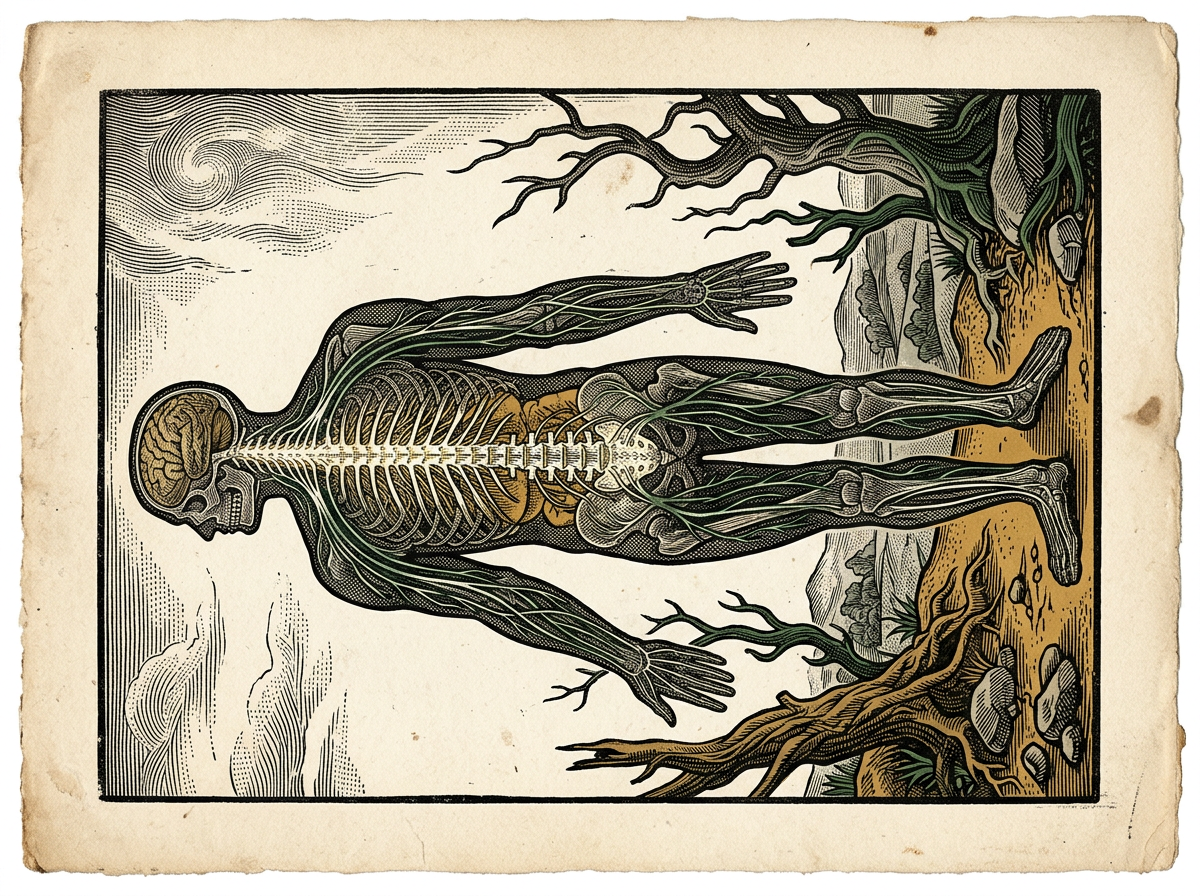
The central nervous system (CNS) is the master control center of the human body, consisting of the brain and the spinal cord. It is responsible for processing incoming sensory information and coordinating every conscious and unconscious bodily function, from complex cognitive reasoning and emotional responses to basic physical movements like blinking and breathing. Composed of an estimated 86 billion neurons, this intricate network governs how we interact with, perceive, and survive in the world around us.
Background & Essential Facts
To truly understand how the human body operates, we have to look at its ultimate command hub. Anatomically and functionally, the human nervous system is divided into two primary parts: the peripheral nervous system (PNS)—which acts as the communication lines branching out to the rest of the body—and the central nervous system (CNS), which acts as the supreme processing unit.
The CNS is entirely encased and protected by bone: the brain sits comfortably inside the skull, while the spinal cord is shielded by the vertebral column. Additionally, both organs are wrapped in delicate, protective membranes called meninges and cushioned by cerebrospinal fluid (CSF), which absorbs physical shocks and delivers essential nutrients.
At the core of the CNS are neurons, specialized cells designed to transmit electrical and chemical signals at astonishing speeds. When you touch a hot stove, for instance, sensory receptors in your skin send a rapid message through the peripheral nerves to the spinal cord and up to the brain. The brain instantly processes this data, formulates a response, and sends a return command via the CNS telling your muscles to pull your hand away—all in a fraction of a second.
The brain itself is divided into distinct regions, each managing specialized tasks. The cerebrum handles higher-level thinking, memory, and voluntary muscle movement. The cerebellum fine-tunes balance, posture, and coordination. Finally, the brainstem manages automatic, life-sustaining functions like heart rate, blood pressure, and breathing. Meanwhile, the spinal cord acts as a massive information superhighway, relaying messages back and forth between the brain and the rest of the physical body. When the CNS functions optimally, we experience sharp focus, fluid movement, and stable emotional health. When it is disrupted by injury, disease, or lifestyle stressors, the ripple effects can impact every corner of human health.
How To Take Action / What To Do
STEP 01: Understand Anatomy
The first step to appreciating your nervous system is understanding its basic structural division. Familiarize yourself with the two main components of the CNS: the brain and the spinal cord. Recognize that the brain is the decision-maker, creator of thoughts, and emotional regulator, while the spinal cord is the vital conduit that transmits commands to the rest of your anatomy. By visualizing how these two structures work together—protected by bone and bathed in fluid—you can better appreciate why protecting your head and spine is so critical to your overall physical well-being.
STEP 02: Support Brain Health
Optimize your neurological function by adopting proactive, brain-healthy lifestyle habits backed by modern science. Regular cardiovascular exercise increases blood flow to the brain, encouraging the growth of new neural connections and preserving cognitive function as you age. Prioritize adequate, restorative sleep, which allows the brain to clear out metabolic waste products accumulated throughout the day. Finally, fuel your CNS with a balanced diet rich in antioxidants, healthy fats (like Omega-3s found in fish and nuts), and essential vitamins that protect neural tissues from oxidative stress and inflammation.
STEP 03: Recognize Warning Signs
Stay vigilant by monitoring for neurological red flags that indicate your central nervous system may need medical attention. Pay close attention to persistent or unusually severe headaches, sudden numbness or tingling in the limbs, unexplained muscle weakness, balance issues, or abrupt changes in cognitive function, memory, and mood. If you or a loved one experience any of these symptoms, do not ignore them. Consult a qualified healthcare professional or neurologist immediately for a thorough evaluation and accurate diagnosis.
Key Takeaways
- The Core Command Center: — The central nervous system is made up of the brain and the spinal cord, acting as the primary processing hub that controls all thoughts, movements, and bodily functions.
- Proactive Lifestyle Protection: — You can optimize your neurological health and cognitive longevity through regular cardiovascular exercise, consistent quality sleep, and a nutrient-dense diet.
- Vigilance is Essential: — Monitoring for neurological warning signs—such as persistent headaches, sudden numbness, or unexplained cognitive shifts—ensures you can seek timely professional medical care when needed.
Chaff & Wheat Analysis
The Chaff: The article’s “master command center” metaphor oversimplifies a system in which spinal reflexes can act without waiting for conscious brain processing. Its “optimization” language also risks implying that healthy habits guarantee sharp thinking, emotional stability, or freedom from neurological disease.
The Wheat: Regular movement suited to your abilities, adequate sleep, balanced nutrition, and head-and-spine protection support neurological health without putting every outcome under your control. Lifestyle care does not replace medical evaluation: sudden weakness, speech difficulty, or an abrupt severe headache warrants emergency attention.
Related dispatches
MODERN RESTRAINT: CURBED ENTITLEMENT · The Bend Index
Moderation is not puritanism: finding humility in an age of impulse
25 Nov 2026
TACTICAL OVERSIGHT: POWER DYNAMICS · The Bend Index
Setting boundaries requires the leverage to survive their enforcement
25 Nov 2026
FALSE METAPHOR: EFFORTLESS ATTRACTION · The Bend Index
True magnetism requires an external strike, not passive alignment
25 Nov 2026
LEISURE DRIFT: PRESCRIPTIVE CONSUMPTION · The Bend Index
When mindless entertainment is repackaged as an actionable life protocol
24 Nov 2026